Space Systems Testing for ML
High-fidelity experimental data that makes physics-informed ML more predictive.
Business context
Hyper-velocity impact testing is required to generate ground truth data for analytical and machine learning representations of novel spacecraft shielding.
The challenge
Acquire high-fidelity experimental data to validate physics-informed ML models and improve predictive accuracy of spacecraft MMOD protection systems.
My role
Led design, execution, and analysis of hyper-velocity test campaigns. Coordinated with NASA test facilities, suppliers, and internal engineering teams to ensure data quality and relevance for system verification ML applications.
Contributions & implementation
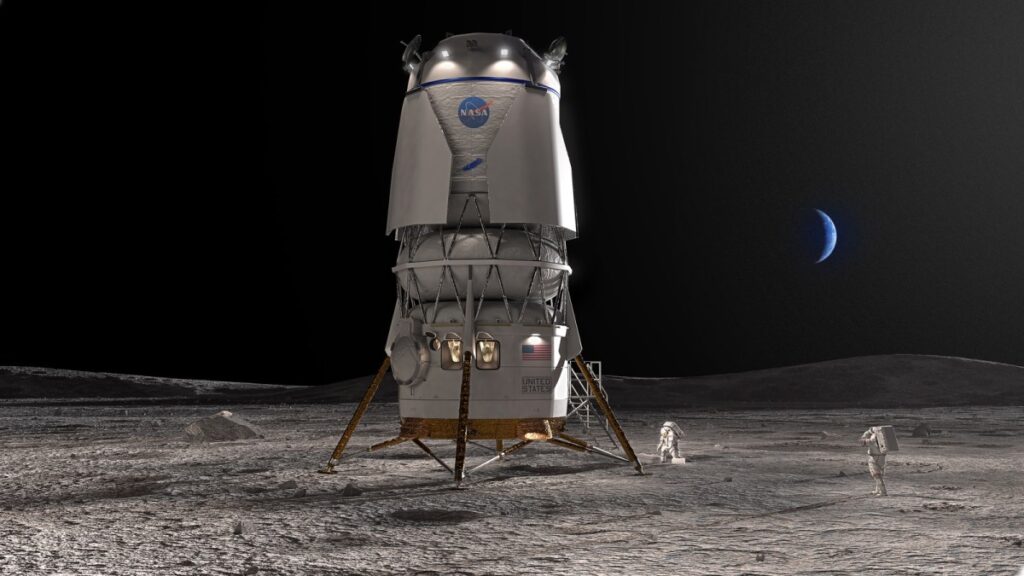
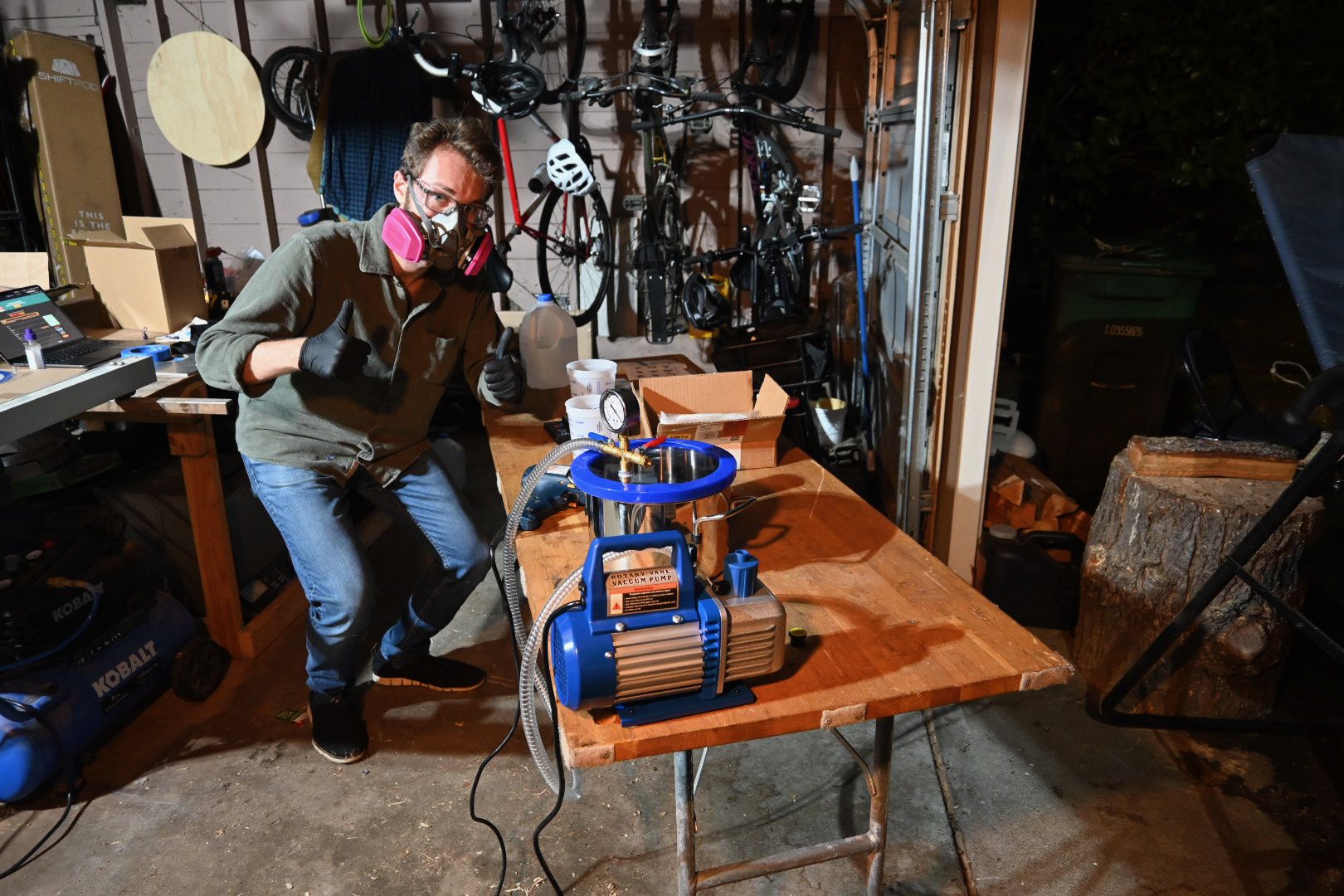
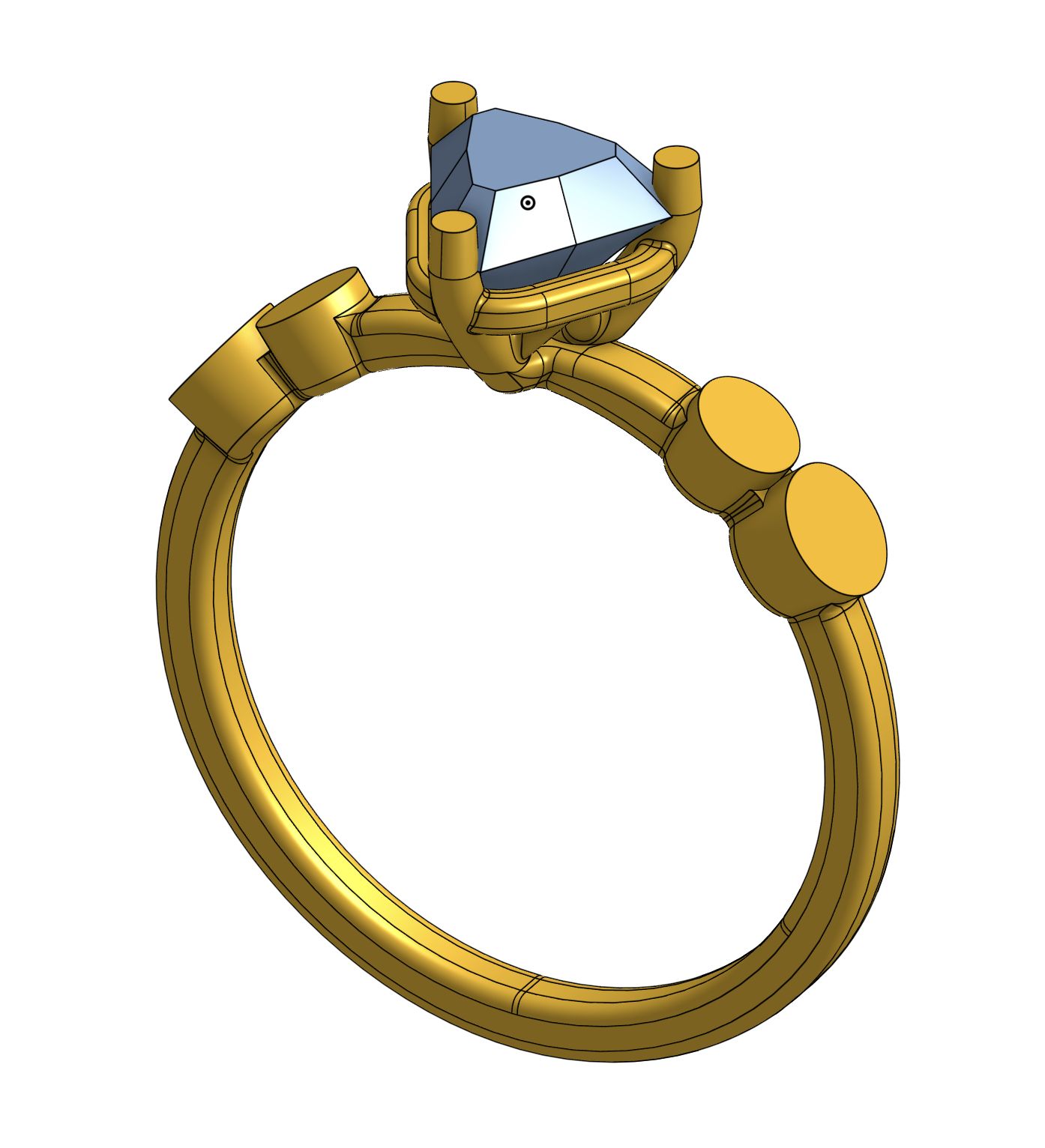
Designed and manufactured hardware test articles representing Blue Origin spacecraft architectures.
Directed test campaigns at NASA facilities, capturing high-speed impact dynamics and material response data.
Processed and curated datasets for training physics-informed neural networks and validating ballistic limit equations, and correlated to shock-physics simulations of hyper-velocity impacts.
Integrated results into system design loops, feeding back into ML models and vehicle shielding architecture.
Produced first-of-kind experimental datasets enabling ML models to outperform legacy ballistic equations by ~40%, directly informing spacecraft shielding design and reducing system mass while maintaining crew safety.